
For large scale glamorous events, capital cities are generally a first choice, but when it comes to smaller or medium sized corporate events, you can find a much more intimate atmosphere and typically lower prices if you come to a second city. So, how does Porto weigh up against some other fabulous second city venues round Europe?
The nearest second city is Barcelona, but really there is no comparison – Barcelona has got big city presence with boulevards, towering buildings, and a sort of high-end chic vibe. Nothing like Porto! Porto is all about higgledy-piggledy cobbled streets and hotels in historic buildings and there is no way that Porto could host events on the scale that Barcelona can. Whilst Barcelona has plenty of eye-opening wow factor as an event location, Porto is altogether more understated and has a more intimate and humble feel to it.
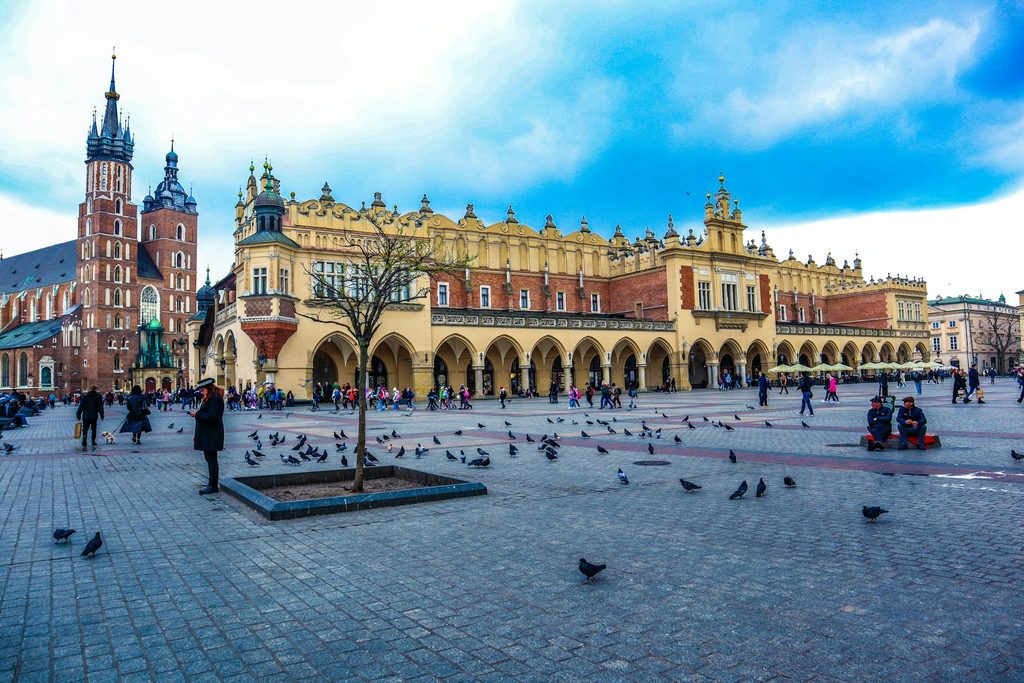
Perhaps a better comparison to Porto would be Krakow – both cities have historic and walkable city centres were you feel like you are going back in time and neither have the big city in your face vibe of a real metropolis. They both have lots of heritage sites to explore and feel like genuine reflections of the local culture rather than a more cosmopolitan mish-mash you typically find in more glamorous cities. Krakow has made a big effort to attract larger scale conferences and conventions though, with purpose-built venues that can host events for thousands of people, whilst Porto has generally had to rely on repurposing historic buildings for events, which struggle to host larger numbers. So, whilst Krakow can be great for larger events in conference centres on the outskirts of the city, Porto is generally about events in buildings that are often hundreds of years old, slap-bang in the middle of the city – not always so practical but dripping with atmosphere!
How about another more intimate second city, Thessaloniki in Greece? As with Porto it is a waterfront location and has a historic centre and they both have plenty of cultural highlights to take in. However, Thessaloniki has gone for much more purpose-built modern development with plenty of brand-new hotels lining the waterfront, giving it a modern edge to contrast with its ancient heritage. Porto has generally resisted much of this modernisation and so the city has maintained much of its authenticity. This perhaps makes Porto a more confusing location for events because so many of the venues are improvised and spread around the city in unlikely locations. This means that whilst Thessaloniki may be more practical in some ways as an event location, it is precisely the impracticality of Porto that lends the city so much of its charm.
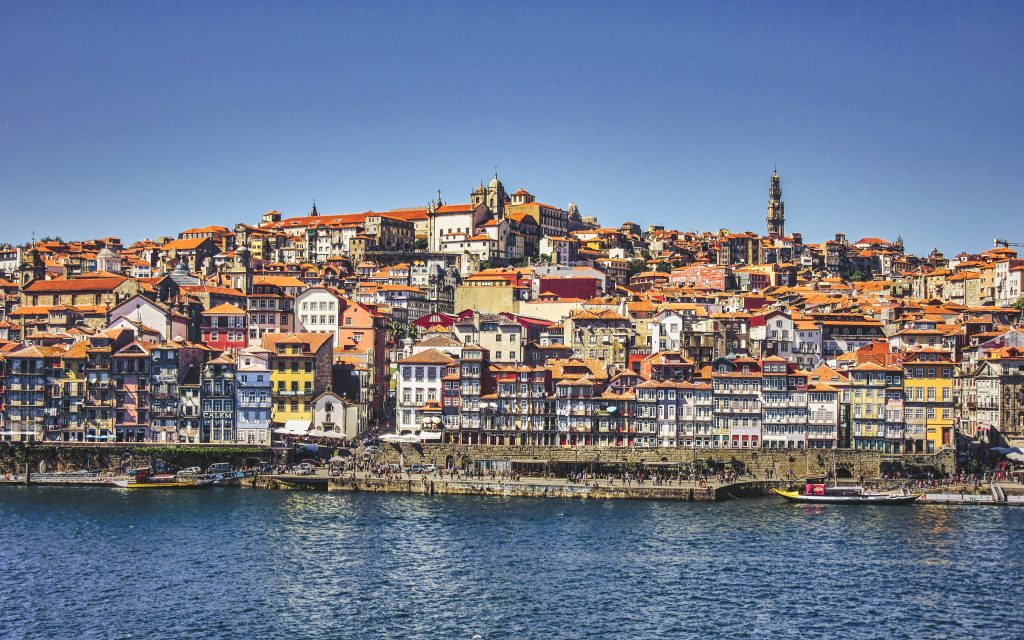
These three comparisons really demonstrate the fact that Porto’s greatest attraction as an event destination is also perhaps a weakness – Porto has little purpose-built infrastructure for events and the chaotic layout of the city that has evolved over hundreds of years has not been sacrificed for the practicality that many other cities have. But if you are looking for authenticity and intimacy then few European cities can rival Porto as a venue for small and medium-sized events.